From Street Stall to a Real Café: Setting Up a Coffee Shop the Right Way

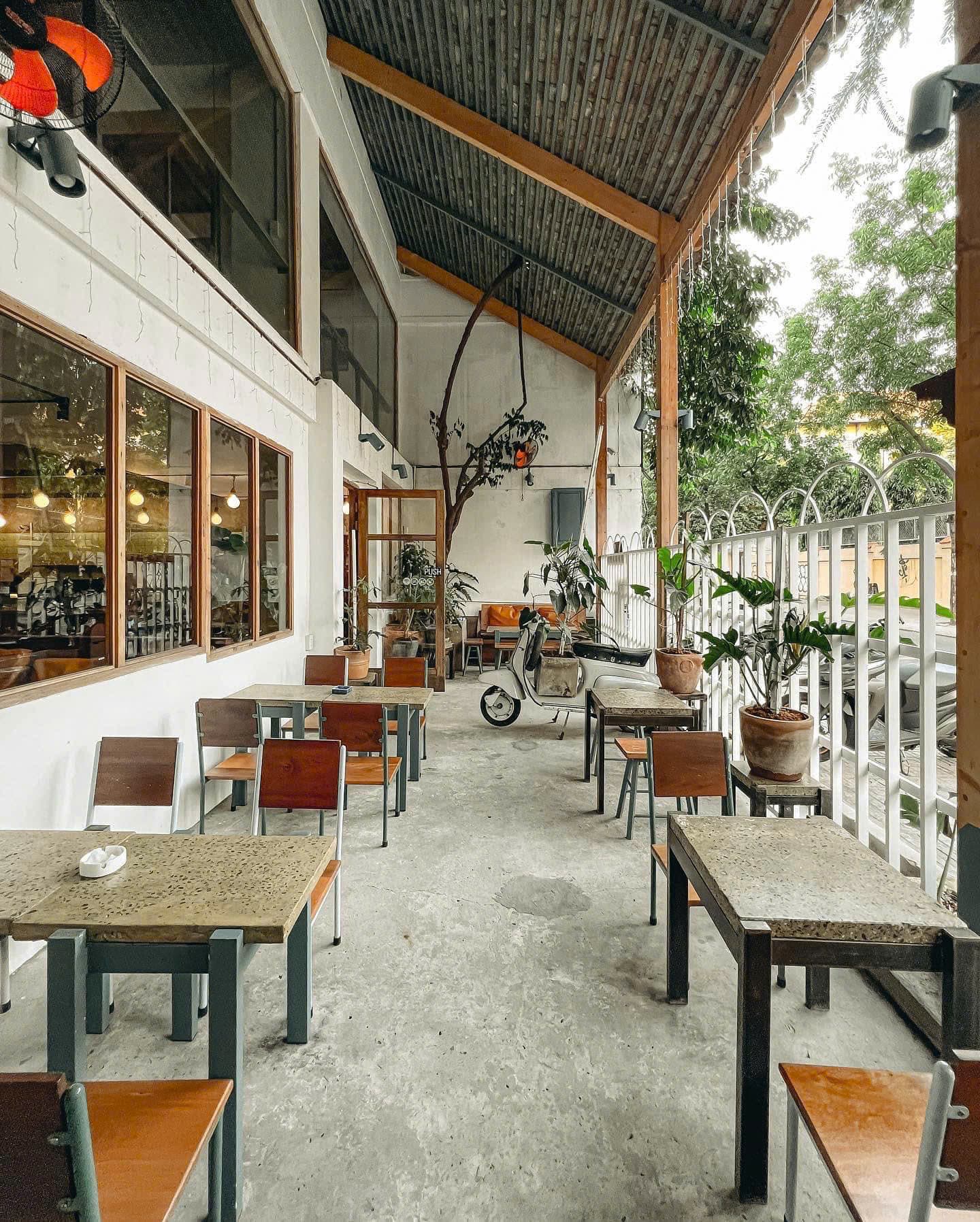
Plenty of well-run cafés today started out as nothing more than a pushcart or a small street corner — a few plastic stools, a borrowed machine, and a hand-written sign instead of a storefront. If that’s where you’re starting too, this post covers what you actually need to have in place from day one, and when it’s time to start thinking bigger.

Starting small: what you can’t skip
A street stall or pushcart still needs the same four basics as a full café, just at a smaller scale: minimal equipment (a brewing setup or machine, a grinder, a mini fridge), a reliable supply of ingredients (coffee, milk, ice — ordered on a schedule, not picked up ad hoc), a genuinely short menu (3-5 items done well beats 20 done poorly), and basic paperwork (business registration, food safety) — the part most first-timers skip, assuming a small stall doesn’t need it, which is exactly the part that gets flagged in an inspection.
When it’s time to think bigger
The clearest sign is when the stall starts hitting a ceiling — customers waiting too long because there’s only one machine, no seating so you’re losing people who’d stay, or revenue outpacing what one person can run alone. That’s when a fixed location, higher-capacity equipment, and a standardized recipe (so a new hire pours the same drink every time) start to matter. It’s also the riskiest stage, since the capital jump from stall to shop is steep.
Market context
According to a B&Company report published December 23, 2025, Vietnam now has over 500,000 coffee shops, while total outlets across major chains sit at roughly 2,067 — meaning the overwhelming majority of the market is still independent, small-scale shops, exactly the starting point for most cafés operating today.
Why choose EPIC
- EPIC runs its own café at 49 Ngô Thời Nhiệm (District 3) alongside its roastery, so setup advice comes from someone actually running a shop day to day — including the “hitting a ceiling” problem mentioned above, not just someone selling equipment.
- EPIC roasts in small batches and tunes its own recipe, so a new café doesn’t also have to solve for a reliable coffee supply — one of the four basics covered above — on top of everything else.
- Coffee is packed to order after resting, so even a small first order arrives as fresh as a large one — useful whether you’re still at stall scale or already expanding.
As checked on 1 October 2026, EPIC offers café setup, grinder calibration, brewing recipes, and in-person training. For advice tailored to your operation, prepare your café format, draft menu, peak-hour volume, and floor plan; costs are discussed for each request. Ask about café setup.
Want EPIC’s help setting up your café, whether you’re still at street-stall scale or planning to expand? Reach out through the café setup page. (In a future post, EPIC will share what setting up at a larger scale looks like — location, staffing, and running a bigger team — stay tuned.)

We roast in-house at our own drum roastery in Sài Gòn — sourcing single-origin lots from a real, catalogued network and dialling profiles cup by cup for our own bar and for partners across Việt Nam.
@epiccoffeeroaster · Follow on InstagramSpecializing in