Choosing Your Café Model: Take-Away, Patio, or Specialty?

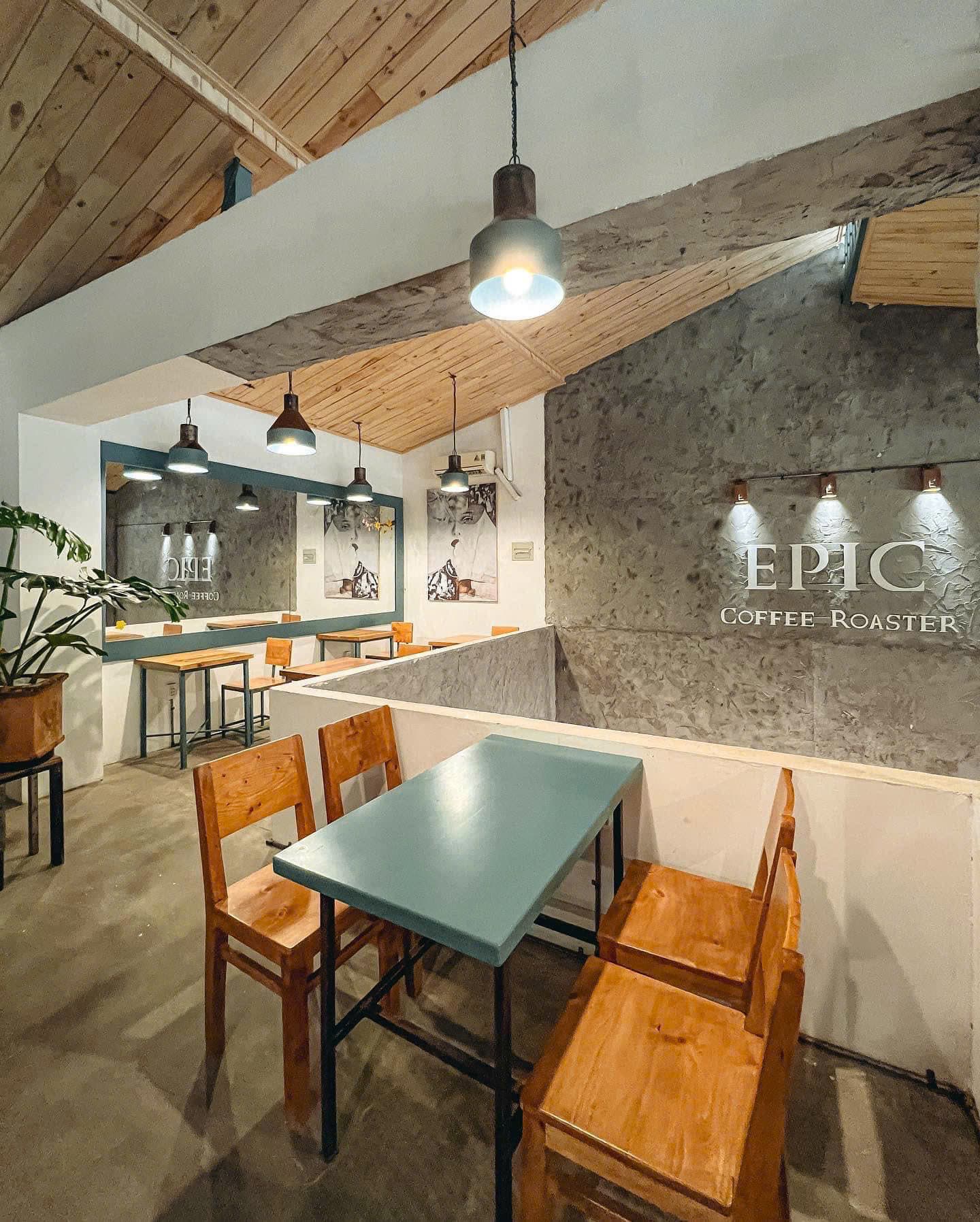
Before signing a lease or ordering equipment, most people planning to open a coffee shop get stuck on the same question: should it be a compact take-away counter, a spacious patio café, or a specialty-focused shop built around single-origin beans? Each model comes with a different cost structure, space requirement, and customer base. This guide breaks down the three most common café models in Vietnam today, so you can commit to the right direction before you start building out the space.

Three common café models — and who each one fits
Take-away is the leanest model: a small footprint (sometimes just 15-25m²), a counter facing the street, and little to no seating. Upfront investment is lower since there’s minimal fit-out, and it works well near offices, schools, or busy residential streets where customers grab a coffee on the way somewhere. Turnover is fast, but revenue per customer tends to run lower than models built around seating.
A patio or garden café needs the opposite: a larger space, usually somewhere with easy parking and less traffic pressure — the kind of spot where customers come to sit, work, meet friends, or bring family on a weekend. Upfront costs run higher because of landscaping, shade structures, and drainage, but customers stay longer, which makes it easier to sell food and multiple rounds of drinks per visit.
A specialty model centers on bean quality and the brewing experience: the menu names growing regions and processing methods (washed, honey, natural), and the shop may serve pour-over or single-origin espresso. It doesn’t necessarily need a large space, but it does need well-trained baristas, a reliable bean supply, and customers willing to pay more for a clearer, more distinctive flavor experience.
Matching the model to your budget, space, and target customer
There’s no single “best” model — only the one that fits your actual conditions. If your budget is tight and your space is small, take-away gets you open faster and helps you recover your investment sooner. If you have a larger space in an area where people tend to stay a while — suburban roads, new residential zones, near universities — a patio format makes better use of that space. If you want to build a distinct brand around coffee-savvy customers who’ll accept a higher price point, specialty is worth considering — but it needs more preparation on barista training and bean sourcing before opening day.
In practice, many shops today don’t commit to just one model — a patio café might add a specialty brewing corner, or a take-away counter might gradually add seating once foot traffic is steady. What matters is deciding on your primary model upfront, so you can budget equipment, staffing, and menu accordingly instead of retrofitting mid-operation, which tends to cost more.
Market context
According to the 2025 Vietnam F&B Market Report published by iPOS.vn together with Nestlé Professional, Vietnam had roughly 329,500 F&B outlets in 2025, up 2% from 2024, while the beverage segment priced at 35,000 VND and above now accounts for 57.58% of market share — a sign that customers increasingly prioritize experience and space over price alone. That’s a useful data point when weighing a speed-focused take-away model against space- or quality-driven formats like patio or specialty.
Why choose EPIC
- EPIC runs both a café at 49 Ngo Thoi Nhiem (District 3, Ho Chi Minh City) and a roastery in Binh Hung Hoa — so when we help you choose between a patio or specialty model, the advice comes from running our own space, not just theory.
- EPIC offers all six services under one roof, from full café setup to barista training and equipment consulting or rental — so whether you go with a minimal take-away counter or a specialty shop that needs trained baristas, there’s a matching service to support the model you pick.
- EPIC roasts in small batches, hand-sorts green beans, and rests coffee after roasting before packing — which matters for a specialty model that needs a reliable, fresh bean supply to back up origin claims on the menu.
- EPIC coffee has been exported to Russia and the Netherlands, which speaks to a roasting standard solid enough to build a specialty-positioned shop around from day one.
- EPIC’s equipment consulting and rental service helps you right-size your machine investment by model — compact equipment for a take-away counter, higher-capacity machines for a patio café handling peak-hour crowds.
As checked on 1 October 2026, EPIC offers café setup, grinder calibration, brewing recipes, and in-person training. For advice tailored to your operation, prepare your café format, draft menu, peak-hour volume, and floor plan; costs are discussed for each request. Ask about café setup.
Not sure which model fits your space and budget? Talk to EPIC about full café setup: epicroastery.coffee/en/wholesale

We roast in-house at our own drum roastery in Sài Gòn — sourcing single-origin lots from a real, catalogued network and dialling profiles cup by cup for our own bar and for partners across Việt Nam.
@epiccoffeeroaster · Follow on InstagramSpecializing in