A Beginner’s Roadmap to Learning Barista Skills

If you’ve just decided to learn coffee brewing and espresso skills — whether you’re training to become a professional barista, or you’re a café owner bringing on new staff before opening day — the first question is always the same: where do you start, and how long before you can pull a cup that’s good and consistent every single time? This guide breaks the learning path into clear stages, from coffee fundamentals to running the espresso machine, so beginners don’t waste time studying the wrong things first.

The 3-Stage Roadmap to Learning Barista Skills
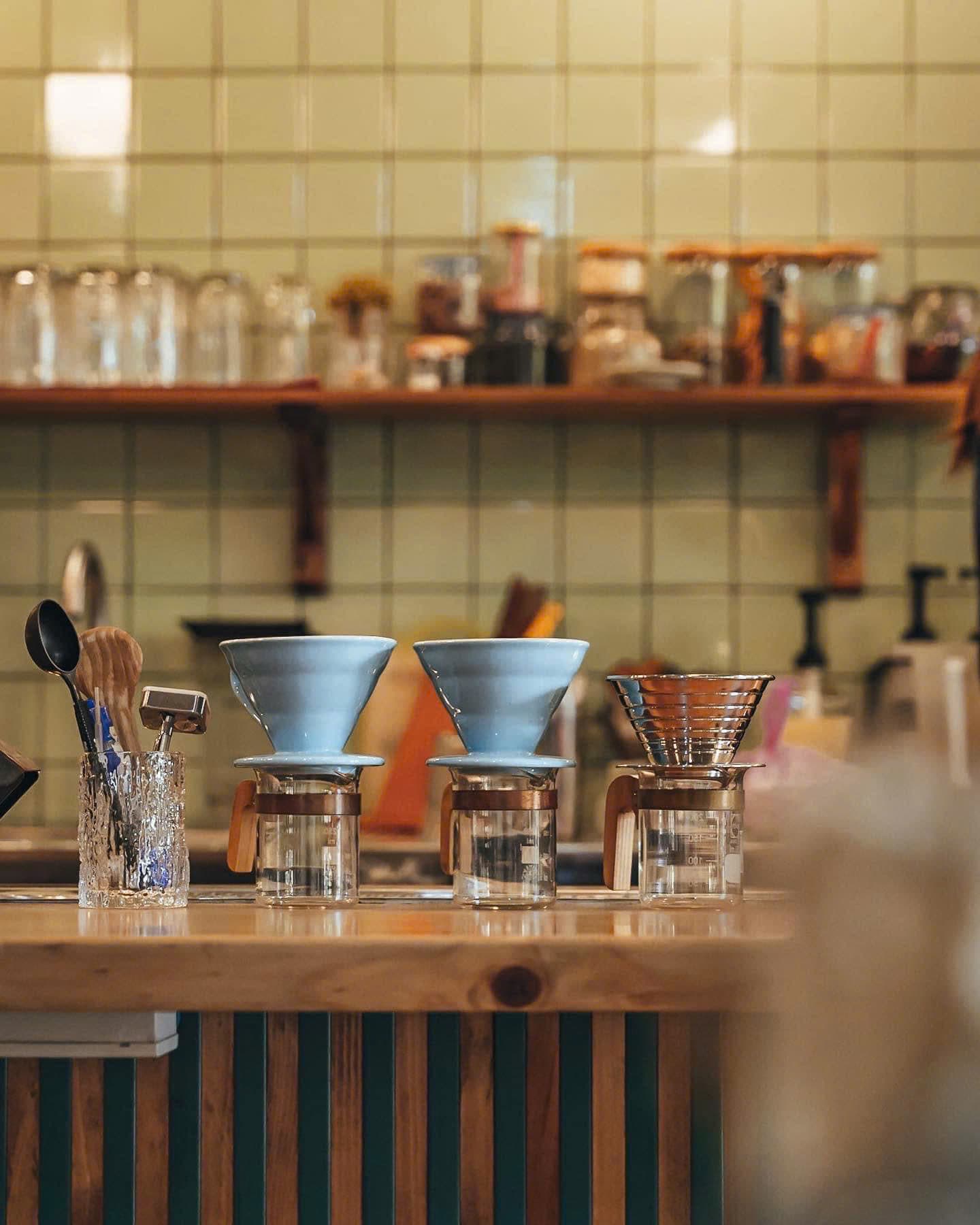
Stage 1 — Coffee fundamentals: before touching an espresso machine, beginners need to understand the difference between a light roast and a dark roast, and between Arabica and Robusta, since each brings a different balance of acidity, bitterness, and aftertaste. Alongside that, practicing manual methods like Vietnamese phin filter and pour-over lets you feel exactly how the water-to-coffee ratio and grind size change the cup, before moving on to more complex equipment.
Stage 2 — Machine skills: getting comfortable with the grinder (dialing in grind size for espresso), even tamping technique, pulling espresso shots to the right time and dose, and then steaming milk to get a smooth microfoam for milk-based drinks.
Stage 3 — Polishing the craft: beginner latte art, practicing a standardized recipe so every cup tastes the same, and building the speed to keep up during a rush without letting quality slip.
How Long Does It Take to Pull a Consistent Cup
There’s no single timeline that works for everyone — how fast you improve depends on how regularly you practice and whether someone is there to correct your technique in real time. What matters more than counting days or weeks is the habit: writing down the ratio you used, tasting the cup you just made, and comparing it against the standard recipe to spot exactly where things went off — grind too fine, extraction too long, or milk not steamed hot enough. A structured roadmap consistently shortens this process compared to figuring it out alone.
Market context
According to a CafeF report (September 2025) on the expansion race among Vietnam’s coffee chains, Phúc Long grew its store count by roughly 50% during 2025, while Highlands Coffee invested in a new production facility worth around VND 500 billion and Trung Nguyên Legend built what was described as Southeast Asia’s largest coffee factory. As chains expand their store networks this fast, the need for well-trained baristas who can keep quality consistent across every location grows right along with it — which is exactly why a clear, checkpoint-based training roadmap matters, not just for people new to the craft but for cafés scaling up as well.
Why choose EPIC
- EPIC has roasted its own coffee at a workshop in Saigon since 2014, so during the fundamentals stage, trainees practice on beans that were just roasted, learning to tell light roast from dark roast and Arabica from Robusta by taste, not just theory.
- EPIC runs both a café at 49 Ngo Thoi Nhiem (District 3, HCMC) and its own roasting workshop, so espresso machine skills in Stage 2 are built on a machine that’s serving real customers every day, not a demo unit.
- Green beans are hand-sorted and rested after roasting before being packed to order, so while trainees practice dosing and extraction timing, they’re always working with fresh coffee rather than beans that sat in storage too long.
- Beyond training, EPIC also consults on, sells, rents, and repairs coffee machines, so a new café can train its team along this roadmap while also getting help choosing equipment that matches the team’s skill level.
As checked on 1 October 2026, EPIC offers in-person barista training that can be coordinated with café setup, menu recipes, and equipment calibration. Prepare your menu, current equipment, and staff experience to shape the training plan; fees depend on its scope. Ask about barista training.
Want your barista team trained properly, right at EPIC’s café and roasting workshop? Visit /en/visit to find out about training schedules and the roadmap that fits your team.

We roast in-house at our own drum roastery in Sài Gòn — sourcing single-origin lots from a real, catalogued network and dialling profiles cup by cup for our own bar and for partners across Việt Nam.
@epiccoffeeroaster · Follow on InstagramSpecializing in