Standardising Coffee Recipes So Every Shift Tastes the Same

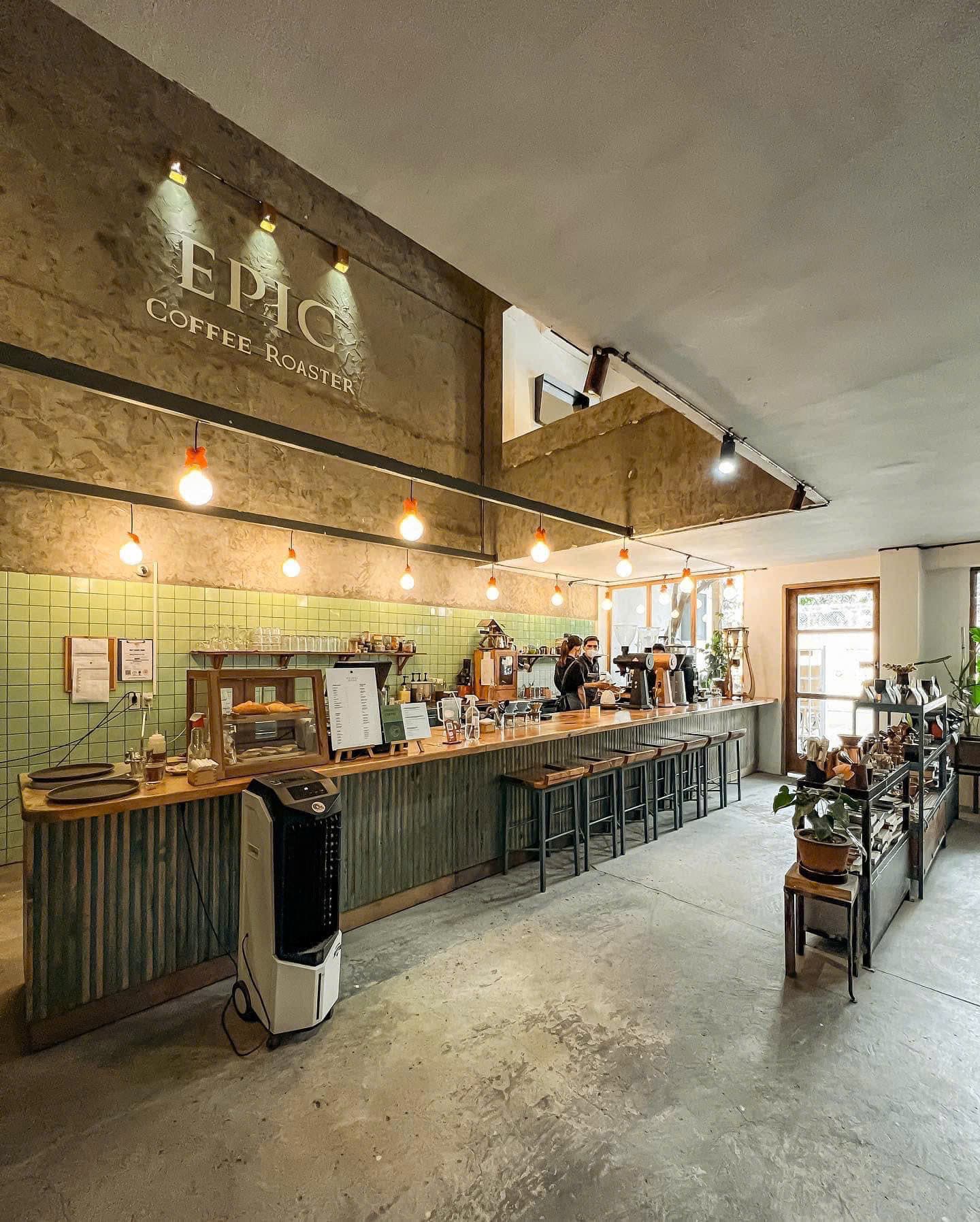
Order the same drink at the start of the day and again mid-afternoon, and there’s a fair chance they won’t taste quite the same. Nobody is getting it wrong on purpose — each barista just measures a little differently, and those small gaps add up until regulars start to notice. Standardising your coffee recipes is how you stop a good shift or a bad shift from being a coin toss.

Why the same drink tastes different from one shift to the next
Most of the variation doesn’t come from the ingredients. It comes from the steps that were never fixed:
- Measuring by feel. A “heaped” spoon of syrup for one person is a level spoon for another, and milk poured by eye can drift by tens of millilitres per cup.
- A changing order of steps. Ice before or after syrup, how long you shake — each small difference changes the taste even when the quantities are identical.
- Ice, temperature and extraction time. The same machine will pull a stronger or weaker shot depending on dose and extraction time.
- A new bag of beans. Running out, switching supplier, or a different roast level means the old recipe no longer lands the same way.
- Individual skill. New staff learn by feel; experienced staff adjust to personal taste.
Once all of those variables are in play, consistency becomes luck rather than process.
What “standardising recipes” really means
Standardising a recipe isn’t writing a formula down and filing it away. It’s turning a drink into an instruction that anyone — including a new hire or someone covering a shift — can follow to the same result, again and again.
In other words, a standard recipe is written for the system, not for your best barista alone. The goal isn’t to lower the craft; it’s to lock down the foundation so individual skill stops being a variable.
What belongs on a one-page recipe card
An effective recipe card fits on a single page per drink and always includes:
- Identification: drink name, size (M/L or single size), and the POS item code if you have one.
- Exact quantities in fixed units: ml, g, pumps — never vague language like “a little” or “to taste”.
- A fixed order of steps: ice, syrup, base, shake, topping — because a different order gives a different drink.
- Taste checkpoints: a description of the target flavour (sweet, creamy, strong, light) plus notes like “must not be weak” or “must not overpower the tea”.
- Common faults and fixes: if the cup tastes thin, which step to check; if the topping sinks, what to adjust.
Roll it out in a day, keep it working long-term
- Start with your 10 best-selling drinks — there’s no need to standardise the whole menu at once.
- Weigh and measure with real tools (scale, measuring jug, pump) and lock the quantities.
- Write one page per drink, print and laminate it, and stick it at the station.
- Train the team on the cards, then run cross-shift taste tests to compare.
- Schedule regular checks and update the card whenever you change ingredients or suppliers.
Standardising doesn’t make a menu less creative. It simply separates the base recipe from the seasonal experiments, so every shift starts from the same reference point.
Market context
According to the Vietnam Foodservice Business Market Report 2025, released by iPOS.vn and Nestlé Professional on 8 April 2026, Vietnam’s F&B market had around 329,500 outlets and approximately VND 726,500 billion in revenue in 2025, up 5.5% year on year. Notably, chain operators still account for only 8.3% of revenue (up from 7.3%), which leaves plenty of room for a more professional operating layer. The report also points to mounting pressure to standardise operations: 69.38% of businesses cited rising raw-material costs and 57.11% flagged e-invoicing and tax-declaration requirements, with over-reliance on individual staff skill increasingly seen as a risk when running more than one site.
Why choose EPIC
- EPIC’s barista training runs out of a working bar at its café on 49 Ngô Thời Nhiệm (Ho Chi Minh City), so trainees get used to real pacing, ice, machines and ingredients — the kind of standardisation that has to work at the counter, not on paper.
- Recipe cards are written around the exact beans and equipment the café will use, so they’re ready to use rather than needing conversion later.
- EPIC can train on-site around your own menu, with taste-checkpoint guidance for each drink.
- As a roastery that has roasted its own coffee in Saigon since 2014, EPIC understands how a batch behaves — which matters when explaining why the same recipe can drift after a change of beans or roast level.
- When you add shifts or open another location, EPIC stays involved on the equipment side — consulting, sales, rental and technical repair — to help keep the operating standard intact.
Building your first menu or standardising recipes for your brewing team? Send EPIC an enquiry, or visit the café and roastery to see the process first-hand.

We roast in-house at our own drum roastery in Sài Gòn — sourcing single-origin lots from a real, catalogued network and dialling profiles cup by cup for our own bar and for partners across Việt Nam.
@epiccoffeeroaster · Follow on InstagramSpecializing in