How long does a practical barista training course take, and what does it cost?

When you open a café, the training question is rarely just about the fee. The real question is how much time and money it takes before staff pour consistently, and whether the course teaches what your shop actually needs. Cutting training short may save money now, but the price is customers getting a different cup every shift.

What does a practical course actually cover?
- Fundamentals: identifying beans, roast levels, freshness and the effect of water.
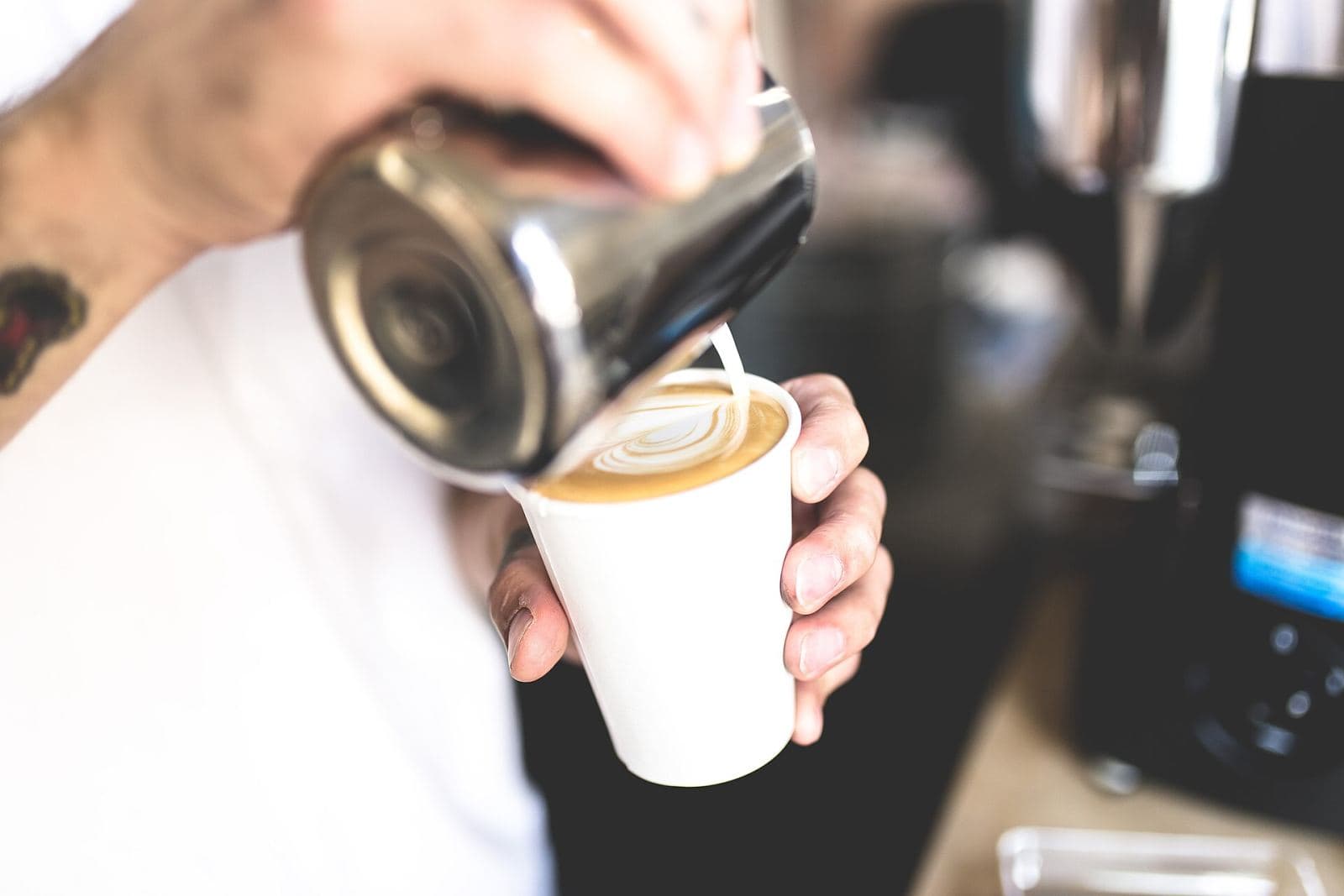
- Core skills: phin brewing, running an espresso machine, dialling in extraction, steaming milk and basic latte art.
- Recipe standardization: dose, time and temperature per drink so every shift tastes the same.
- On-bar practice: training on the gear the café will run, at rush-hour speed.
How time and cost are usually counted
Duration depends on the goal. A beginner brewing at home may need only a few sessions; café staff need a longer path to master phin, espresso, latte art and basic troubleshooting. On cost, fees vary with duration and hands-on time, but you should also count opportunity cost: the days before the café opens, and the cost of retraining if the first course misses real-world practice. Choosing a course taught on the same machine your café uses usually saves money overall.
Market view
According to the Vietnam Foodservice Business Market Report for the first half of 2025 (iPOS.vn and Nestlé Professional, 10 October 2025), input-cost pressure from ingredients, labour and rent kept rising, pushing 45.3% of F&B businesses to raise prices, while more than 50,000 outlets closed. With labour costs under pressure, training staff to get it right the first time — instead of learning on the job — becomes a more practical way to control costs than ever.
Why choose EPIC
- EPIC trains on its own working bar, so lessons are tied to real service pace, not just classroom theory.
- Courses use the coffee and equipment EPIC supplies, so the workflow taught matches the machine your café will run.
- EPIC helps standardize recipes for your specific menu, so quality is even across shifts.
- The path is adjusted to your staff’s actual level and to your pre-opening timeframe.
For training-path and cost advice for your café, send a request at /en/wholesale.
Continue the journey
Semi-automatic vs fully automatic espresso machines — choosing the right one for your café.
Read: Semi-automatic vs fully automatic espresso machines: which one for your café? →

We roast in-house at our own drum roastery in Sài Gòn — sourcing single-origin lots from a real, catalogued network and dialling profiles cup by cup for our own bar and for partners across Việt Nam.
@epiccoffeeroaster · Follow on InstagramSpecializing in