How to Tell Pure Coffee From Coffee Cut With Soybean or Corn

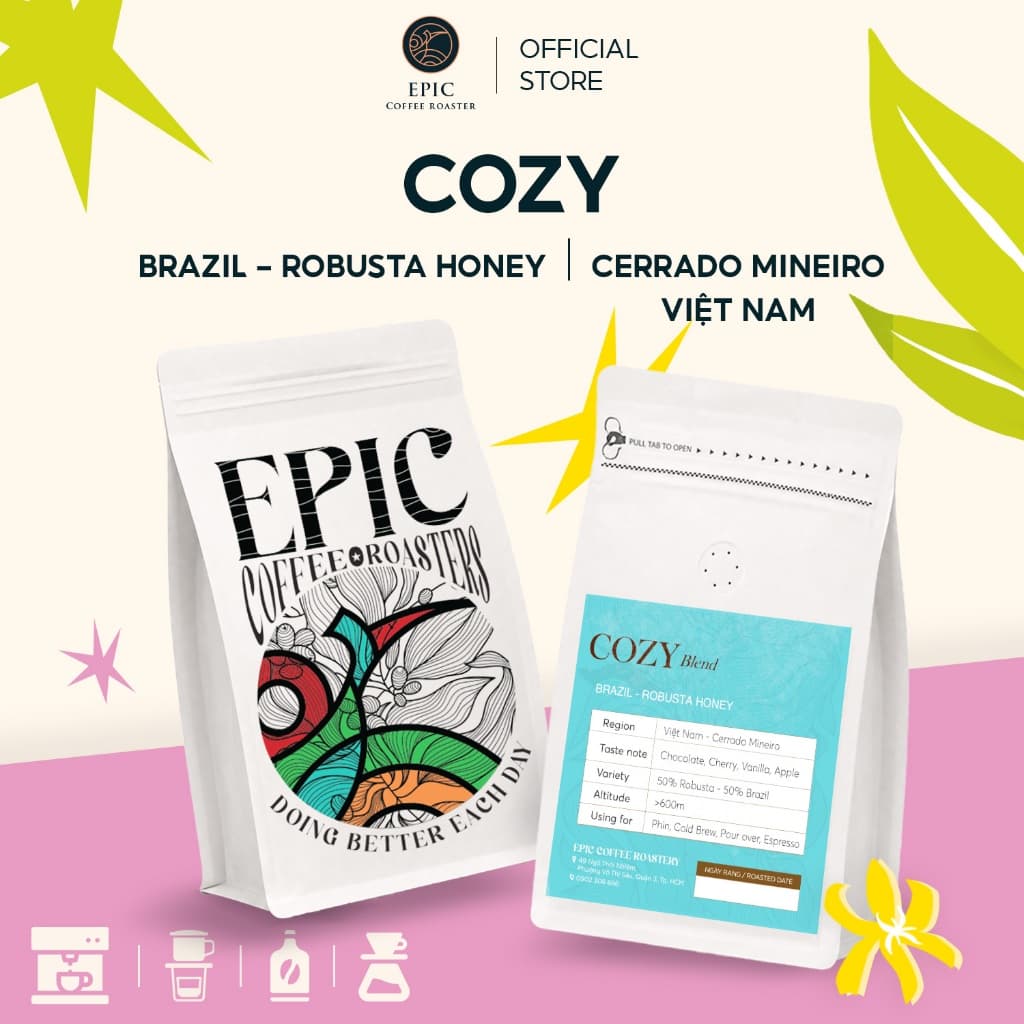
Suspiciously cheap ground coffee, jet-black in color, with a sharp burnt smell — there’s a good chance it isn’t pure coffee at all, but a blend cut with roasted soybeans, scorched corn, or artificial flavoring and foaming agents. If you buy ground coffee to brew at home and want to be sure you’re actually paying for real coffee, this guide walks through the concrete signs to look for and how to read a package label before you buy.

Spotting pure coffee by color, smell, and how it brews
The easiest check happens before you even brew. Properly roasted pure coffee is chestnut-brown to dark brown depending on the roast level — never jet black like charcoal. Real ground coffee feels dry and loose in your hand, while coffee cut with corn or soybean often feels slightly damp, since those fillers are added partly to hold moisture and bulk.
Once brewed, pure coffee produces a clear reddish-brown liquid, and the foam — crema on an espresso machine, or the surface bubbles from a phin filter — breaks down fairly quickly and evenly. Coffee loaded with artificial foaming agents tends to brew nearly opaque and black, with an unusually thick layer of foam that lingers far longer than natural coffee oils would produce. On taste, real coffee carries a mild bitterness with a sweet or lightly acidic finish depending on origin and processing, while adulterated coffee tastes harshly bitter and scorched, with none of the natural finish that only comes from roasting actual coffee beans.
Reading the label — and being wary of prices that seem too good
A properly labeled bag of pure coffee states clearly that it’s 100% coffee (arabica, robusta, or a blend of the two), with no vague “coffee flavoring” line or list of coloring, flavoring, and preservative additives. If a label lists ingredients vaguely, skips percentages, or has no clear producer name and address, treat that as a reason to look closer. Price is another useful signal: green coffee has a real production cost, so ground coffee priced noticeably below the market rate for genuine roasted coffee is often a sign that cheaper fillers are being used to cut cost.
Another simple test is to ask the roaster directly about bean origin (growing region, arabica or robusta) and roast date. A transparent roaster answers immediately, while operations that cut their coffee with fillers tend to dodge questions about where the beans actually came from.
Market context
Ground coffee adulterated with roasted soybeans, scorched corn, or other grain fillers isn’t a new problem in Vietnam. Speaking to Thanh Nien newspaper on June 11, 2025, Le Huy — a coffee grower in Cu M’gar district, Dak Lak province, and founder of the Drai Farm brand — described a simple cold-water test: real coffee grounds float and then sink slowly, while roasted corn or soybean tends to sink much faster because of its different structure. He also noted that genuine roasted coffee typically sells in the range of 260,000-340,000 VND per kilogram, while soybean and corn cost far less — a price gap that gives some producers an incentive to blend cheaper fillers into their coffee.
Why choose EPIC
- EPIC’s green beans arrive by the sack and are sorted by hand before roasting — in line with what we just covered, pure coffee starts with clean, defect-free beans, not with additives layered in afterward to mask lower-quality raw material.
- EPIC has roasted its own coffee in Saigon since 2014, fine-tuning the profile batch by batch on a drum roaster — so the color and aroma of every batch come from controlled temperature and roast time, not from added coloring or flavoring to fake the look and smell described above.
- Coffee is rested after roasting before being packed to order, so what you brew shows the genuine crema and natural finish of real coffee — not the unnaturally thick foam that comes from industrial foaming agents.
- EPIC coffee has been exported to Russia and the Netherlands — markets with strict requirements on composition and origin, which rules out cutting corners with cheap fillers.
- You’re welcome to visit the roastery at 54/8 Ao Doi, Binh Hung Hoa, or the café at 49 Ngo Thoi Nhiem, District 3, and ask directly about bean origin and roast date — exactly the kind of transparency a genuine roaster should always be able to offer.
Want pure, traceable coffee you can trust for your daily cup? See EPIC’s retail coffee lineup here.

We roast in-house at our own drum roastery in Sài Gòn — sourcing single-origin lots from a real, catalogued network and dialling profiles cup by cup for our own bar and for partners across Việt Nam.
@epiccoffeeroaster · Follow on InstagramSpecializing in