What to prepare for private label coffee packaging so you don’t have to start over

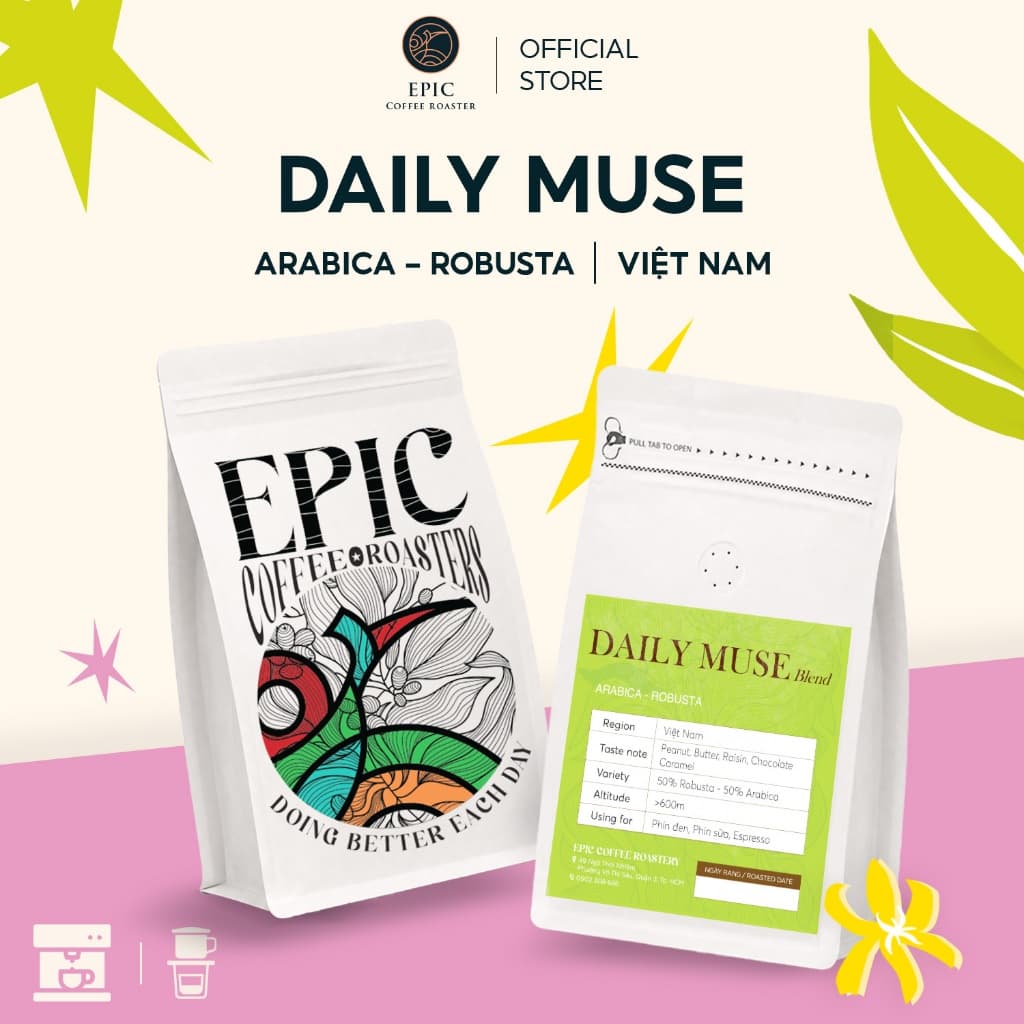
What to prepare for private label coffee packaging is the question almost every brand asks in the first working session. Most of the costs that arise don’t come from the coffee beans but from printing packaging wrong, changing pack sizes midway, or missing label information to the point of having to redo everything. This article gathers the things to settle before you hit print.

Three groups of things to settle before printing packaging
Splitting the work into three groups keeps you from missing anything and makes it easier to assign to each person in charge: records, formats and samples.
Records and information on the label
Prepare the brand name, the responsible address, ingredients, net weight and storage instructions. If you don’t yet have a registration number, settle first who is named on the label, because once this part is printed it can no longer be changed.
Pack formats and sizes
Choose one or two core sizes instead of spreading thin. Cafés selling by the cup usually use large bags, customers buying to take home use small bags; each size is a separate print run, so the fewer the variants the easier it is to rotate stock.
Sample roasts and sample records
Sample roast before printing packaging, and settle the sample record with the roast date, batch, roast level and the person who approved it. With this record, later batches only need to be checked against it instead of arguing again from scratch.
Information that cannot be missing from the label
Besides the name and weight, the label needs to state clearly whether this is roasted or ground coffee, how to store it after opening, and the roast date. Putting the roast date on the front is more useful than the back, because that’s what customers look for before deciding to buy.
Choose packaging by how customers use it
Customers buying to use within a few weeks need a bag with a degassing valve and a zip lock to keep it fresh after opening. Wholesale customers buying for a café need large, sturdy bags that are easy to open many times a day. The same coffee should still have two different packagings for these two ways of use.
How a private label packaging round works
The process comes down to five steps: settle the label records, approve the print sample, roast the reference batch, let the coffee stabilise before packing, and finally check the retained sample before delivery. The stabilising wait is the most often skipped step, while it is the one that decides how fresh the coffee is when the customer receives it.
Market perspective
According to Báo Văn Hóa on 10 November 2026, Vietnam’s coffee exports reached 7.08 billion USD while the average price fell by about 20 percent. Báo Dân trí on 19 October 2026 reported that coffee exports set a record at 8.5 billion USD. This shows competition is shifting from price to quality and brand story, where private label packaging is the first point of contact.
Frequently asked questions
What do you need to prepare for private label coffee packaging before the first working session?
Bring the brand name, address, planned sizes and the quantity needed for the first batch. With these four things you can settle the print sample fastest.
Can you start with a small quantity?
You should start small to test market response, then increase gradually with orders. What to avoid is ordering a large print run while the packaging is still changing.
How long until the first shipment?
The time depends on when the print sample is approved and the roasting schedule. Settling the sample approval date in advance is the surest way to keep on schedule.
Coffee to try at EPIC
If you need ingredients to try your first private label batch, the two products below offer two distinct flavour directions: Cascara — Coffee Cherry Tea has a light tea and fruit flavour, suited to cold drinks; Kenya — Kiambu Kiratina has bright acidity and a long aftertaste, suited to gift bags with a private label.
Why EPIC
- EPIC roasts and packs on the same line as its own product range, so private label batches go through the process that runs every day.
- Hand-sorting green beans before roasting helps keep quality even between batches, which matters when you need to repeat exactly one flavour.
- Roasting to each partner’s own profile instead of applying a fixed recipe.
- Experience bringing coffee to overseas markets, useful if you export later.
Start with a small batch to test before printing large quantities: Cascara — Coffee Cherry Tea. Or see the page for ordering private label roasting and packaging to talk directly with EPIC.
Read next in the journey
After settling the packaging, the next step is settling the roast record for each batch.

We roast in-house at our own drum roastery in Sài Gòn — sourcing single-origin lots from a real, catalogued network and dialling profiles cup by cup for our own bar and for partners across Việt Nam.
@epiccoffeeroaster · Follow on InstagramSpecializing in