Choosing Packaging for OEM Coffee: Keep the Aroma, Build the Brand

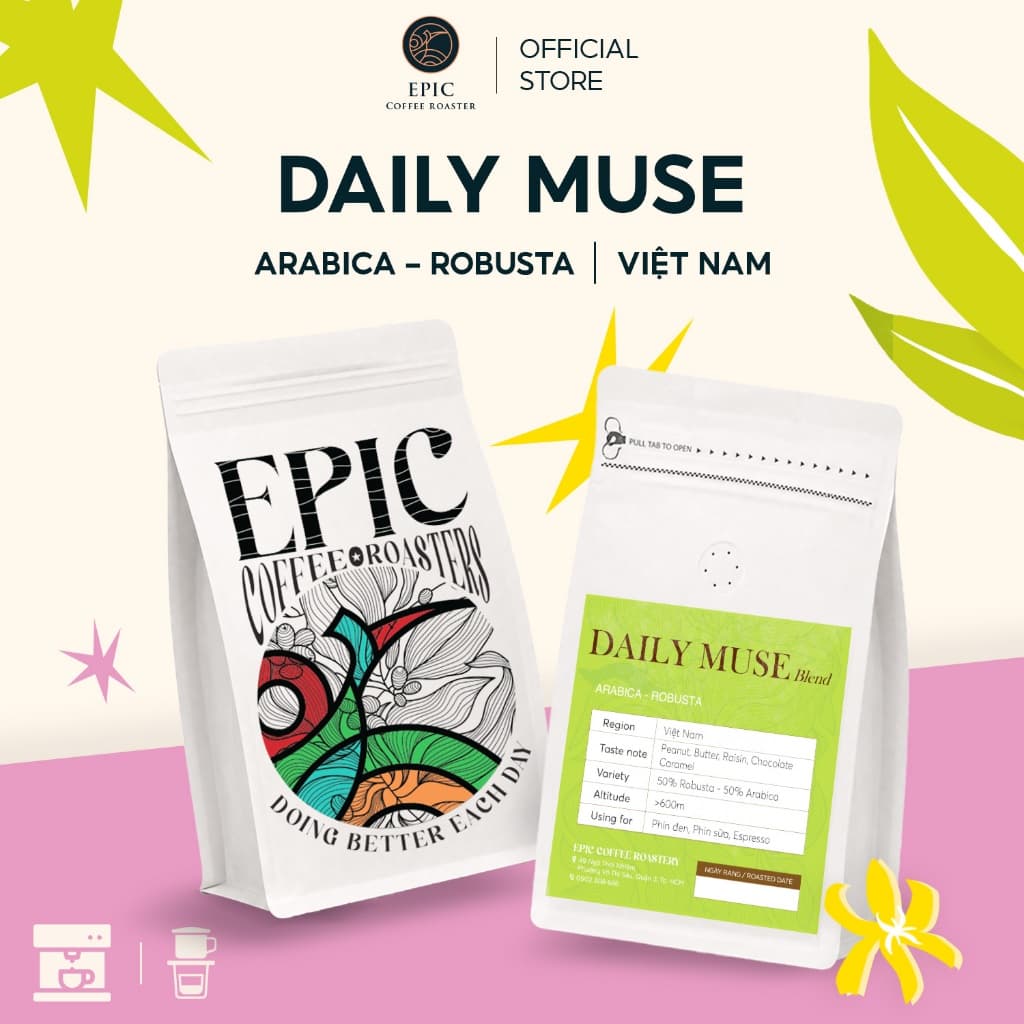
If you’re getting ready to launch your own coffee brand through an OEM roaster, packaging is probably the part you’ve thought about least — and the part most likely to go wrong. Should you use a foil-lined zip pouch or a kraft bag with an inner liner? Do you need a degassing valve? This guide walks through the packaging formats that actually work for OEM coffee, the technical details to lock down before ordering in bulk, and the mistakes that can undercut a batch before it ever reaches a customer.

What OEM coffee packaging has to get right, technically
Before you get to logo placement or brand colors, OEM coffee packaging has to solve three problems: oxidation, moisture, and light exposure. Roasted coffee — ground or whole bean — loses aroma fast once it’s exposed to air, which is why the standard material is a multi-layer bag (kraft paper outside, a foil or PE barrier layer inside) that keeps oxygen and moisture out. For whole-bean coffee straight off the roaster, a one-way degassing valve is close to non-negotiable: beans keep releasing CO2 for several days after roasting, and a sealed bag without a valve will bulge or split at the seams.
The second thing to plan for is matching the format to the product line. Stand-up pouches work well for retail bags of whole bean or ground coffee in the 250g-1kg range because they display well on a shelf. Pillow bags are more common for higher-volume phin-style coffee where cost per unit matters more than shelf presence. Drip bags or single-serve filter packs need a thinner composite film that still holds an airtight seal. If your brand covers multiple lines — a specialty single origin, a everyday blend, a bold robusta — it’s usually cheaper to standardize on one pouch format and vary only the label artwork, so you can order larger production runs per style instead of small runs across several formats.
Label design and print space
Good OEM packaging design leaves enough room for the information that has to be there — ingredients, roast date, best-by date, storage instructions, barcode — without crowding out the brand identity. A common mistake is designing a logo that fills most of the front panel, only to discover there’s nowhere balanced to place the mandatory label once the file goes to print. Working with the packaging facility during the design stage — not after — lets them flag valve placement, seal lines, and safe print margins early, instead of forcing revisions right before a production run.
Market context
Vietnam’s coffee sector is actively shifting from raw-bean exports toward higher-value products — roasted, instant, and blended coffee — while expanding retail partnerships across Asia and Europe, according to the Vietnam Coffee Cocoa Association (Vicofa), cited by VietnamPlus in mid-2026. That shift raises the bar for packaging and labeling, because these products now need to hold their own on a retail shelf rather than simply moving as raw material in bulk sacks.
Why choose EPIC
- Coffee rests after roasting before it’s packed to order — the same reasoning behind using a degassing valve mentioned above: freshly roasted beans need time to release CO2 before going into a sealed bag, so packaging isn’t rushed just to hit a shipping date.
- EPIC has packaged and exported coffee to Russia and the Netherlands, so we understand what packaging needs to hold up over long shipping distances — a requirement that goes hand in hand with choosing the right moisture and oxygen barrier discussed above.
- Our roasting facility at 54/8 Ao Doi, Binh Hung Hoa, Ho Chi Minh City works directly with you on choosing pouch format — stand-up, pillow, or drip bag — and label placement, so the artwork doesn’t need last-minute changes.
- OEM packaging is one of EPIC’s six services, alongside custom B2B roasting — meaning you can dial in both your roast profile and your packaging in one place instead of coordinating between separate facilities.
As checked on 1 October 2026, EPIC’s OEM service covers private-label production from small lots to retail volume, with label design and details managed between roast runs. Pricing is quoted to fit the request; prepare your pack format, label information, and expected volume. Ask about OEM.
If you’re preparing to launch your own OEM coffee line, get in touch with EPIC for packaging and production guidance.

We roast in-house at our own drum roastery in Sài Gòn — sourcing single-origin lots from a real, catalogued network and dialling profiles cup by cup for our own bar and for partners across Việt Nam.
@epiccoffeeroaster · Follow on InstagramSpecializing in