How to Choose a Coffee Grinder for a New Coffee Shop

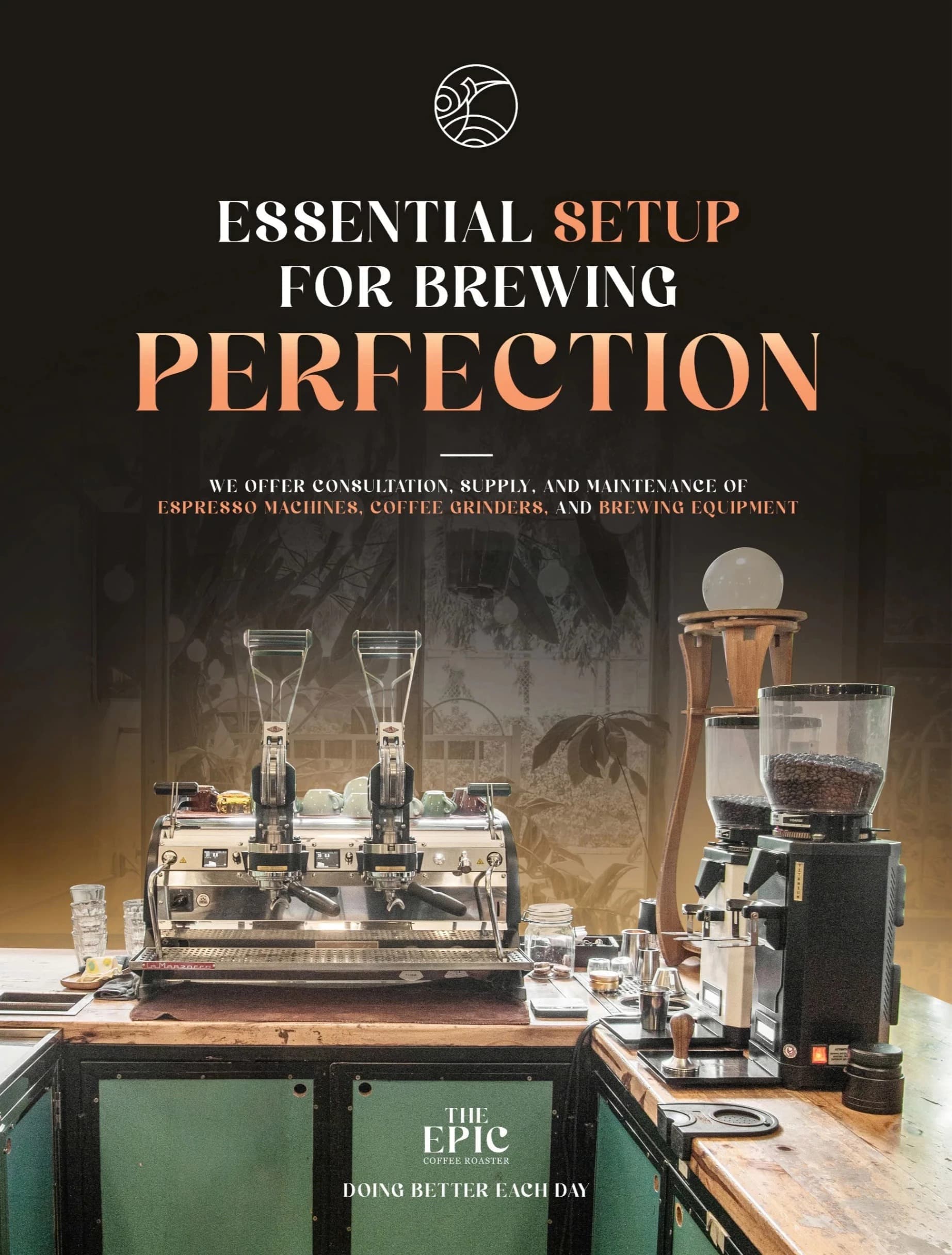
You’re about to open your shop and you’ve probably spent weeks comparing espresso machines — but the grinder tends to get picked almost as an afterthought, even though it’s the single piece of equipment that determines how consistent every cup turns out. This post walks through the practical criteria for choosing a coffee grinder for a new shop, so you don’t end up with a machine that can’t keep up with rush hour or has to be replaced after just a few months.

Why the grinder matters more than most new owners assume
An espresso machine controls pressure and temperature, but it’s the grinder that determines how evenly the coffee is ground before extraction even starts. Uneven particle size means part of the dose over-extracts (bitter, burnt notes) while another part under-extracts (sour, thin notes) — in the same shot. Shops that serve multiple brew methods — espresso, Vietnamese phin, pour-over — feel this gap even more, since each method needs a different grind range. Getting the grinder right from the start lets your baristas hold quality steady, instead of constantly compensating with dose or brew-time tweaks.
What to weigh when choosing a grinder for a new shop
A few factors worth putting side by side before you buy:
Burr type: flat burrs tend to give a more even particle distribution at higher speed, which suits a busy shop; conical burrs usually run quieter and cooler, and often suit a smaller shop or one leaning into pour-over.
Grinding capacity at peak hour: size the grinder to your busiest hour, not your average daily volume — an underpowered grinder shows up exactly when you can least afford a line at the counter.
Grind adjustment range: a stepless adjustment, or at least very fine steps, matters if you’re serving both espresso and phin/pour-over, since each method sits in a different grind window.
Noise and heat build-up during continuous grinding: a shop running long hours needs a grinder that doesn’t heat up enough to affect flavor, especially during rush periods.
Ease of cleaning and maintenance: burrs need periodic replacement and the hopper needs regular cleaning — a grinder that’s easy to take apart saves your team real time day to day.
Budget matched to your format: a small takeaway counter and a specialty shop built around pour-over call for very different grinder investments — settle on your shop format first, so you don’t overbuy capacity or underbuy features.
Market context
According to iPOS.vn’s 2025-2026 Vietnam F&B market report, the industry is projected to reach around 333,600 outlets with revenue nearing VND 760 trillion in 2026. New shop openings keep climbing even as the market enters a more selective, competitive phase — which puts more weight on getting equipment right the first time, including the grinder, rather than upgrading mid-way once customer volume outpaces the setup.
Why choose EPIC
- EPIC’s equipment consulting, sales, rental and repair service includes advice on picking the right grinder for your shop’s scale — matched to the same peak-hour capacity and grind-range criteria covered above, not just espresso machine advice.
- EPIC runs both a roastery in Binh Hung Hoa and a café at 49 Ngo Thoi Nhiem, District 3 — so the team understands the daily pressure of running a grinder continuously in a real shop, not just advising on paper.
- Not ready to commit long-term yet? EPIC also rents out equipment to shops, which is useful if you want to test a setup before locking in a permanent grinder.
- If your shop sources coffee through EPIC’s custom B2B roasting service (running since 2014), the team can tune grind recommendations to the exact batch you’re using, instead of generic advice.
As checked on 1 October 2026, EPIC supplies and rents espresso machines, buys used machines, calibrates grinders and espresso machines, and offers preferential out-of-warranty maintenance to customers who bought coffee or equipment from EPIC. Share the model, issue, service volume, and timing needed to discuss the right next step. Ask about café equipment.
Need help choosing the right grinder for your new shop? Get in touch with EPIC for equipment consulting.

We roast in-house at our own drum roastery in Sài Gòn — sourcing single-origin lots from a real, catalogued network and dialling profiles cup by cup for our own bar and for partners across Việt Nam.
@epiccoffeeroaster · Follow on InstagramSpecializing in